

If you’ve ever dreamed of working from anywhere, whether that’s your home office, a cafe, or even a campsite, freelancing is one of the most accessible ways to make it happen.
But here’s the truth most beginners face:
Where do you even start?
With hundreds of platforms out there, it’s easy to feel overwhelmed. Some are beginner-friendly. Others? Not so much.
So in this guide, we’ll break down 30 freelancing platforms, what they’re best for, and the real pros and cons—so you can choose smarter and start faster.
Let’s start with the platforms that give you the highest chance of landing your first client quickly.
General Freelance Marketplaces
1. Upwork
One of the biggest freelance platforms where clients post jobs and you send proposals.
Pros: Tons of jobs, long-term clients, secure payments
Cons: High competition, requires paid “Connects” to apply
2. Fiverr
Instead of applying for jobs, you create “gigs” that clients can buy.
Pros: Beginner-friendly, passive income potential
Cons: 20% commission, pricing pressure
3. Freelancer.com
A bidding platform plus contests where you can showcase your skills.
Pros: Many job opportunities, contests help beginners
Cons: Competitive, some low-quality clients
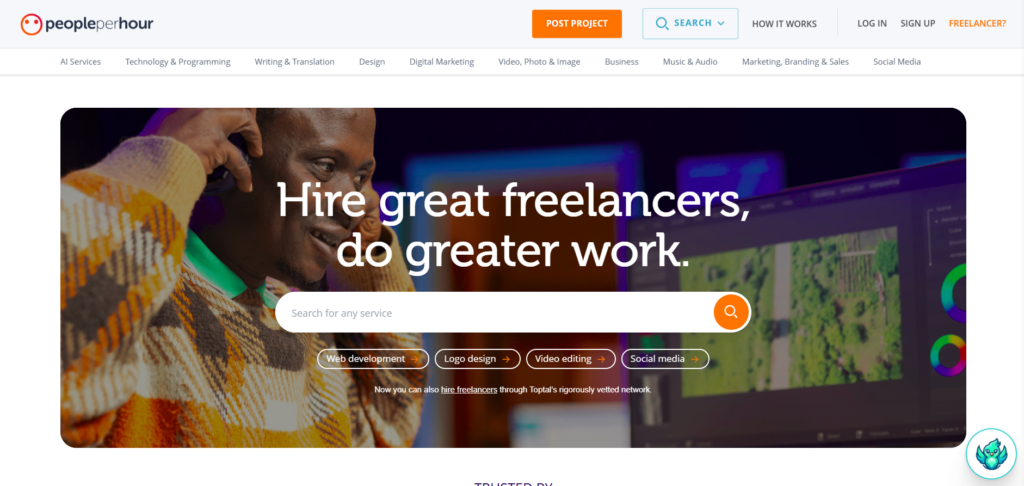
4. PeoplePerHour
Popular in the UK with project-based and hourly work.
Pros: AI job matching, improving fees over time
Cons: Hard approval, fewer jobs
5. Guru
Offers flexible payment systems and lower fees.
Pros: Lower commission, secure system
Cons: Smaller client pool
6. Contra
A newer platform with zero commission and strong portfolio focus.
Pros: Keep 100% of earnings
Cons: Still growing, fewer jobs
7. Hubstaff Talent
A free directory where clients can find you.
Pros: No fees, easy setup
Cons: No payment protection
8. FlexJobs
Curated remote and freelance jobs.
Pros: Scam-free listings
Cons: Paid subscription
9. LinkedIn (ProFinder)
Freelancing through your professional network.
Pros: High-quality clients
Cons: Requires strong personal brand
10. Toptal
Only accepts top-tier freelancers.
Pros: High-paying clients
Cons: Not beginner-friendly
for Designers & Creatives
If you’re into design, branding, or visuals, these platforms can help you build a strong portfolio fast.
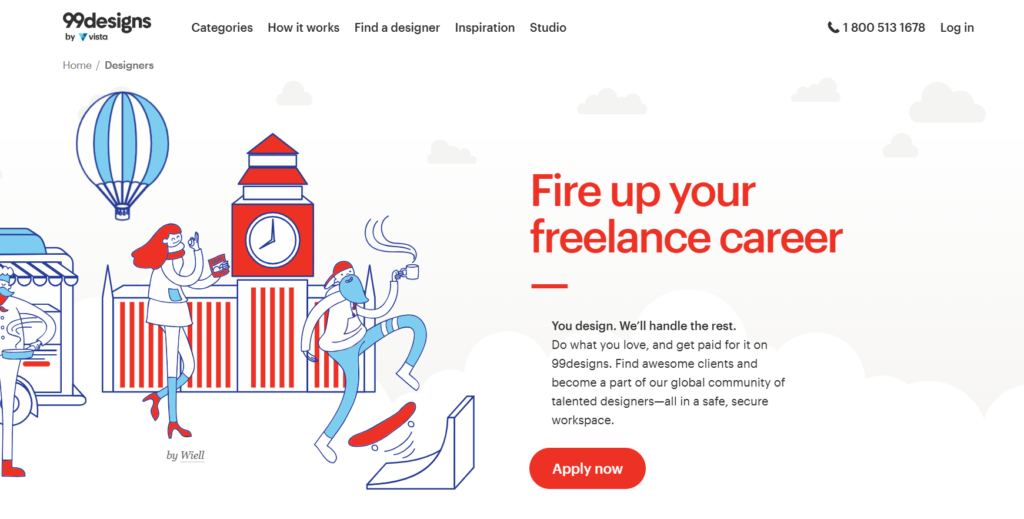
11. 99designs
Design contests and direct client work.
Pros: Great exposure
Cons: Spec work (unpaid entries)
12. DesignCrowd
Another contest-based design platform.
Pros: Easy to join
Cons: Low win rate
13. Dribbble
Portfolio platform with job listings.
Pros: High-quality clients
Cons: Requires strong portfolio
14. Behance
Adobe-owned portfolio platform.
Pros: Free exposure
Cons: No direct job system
15. CrowdSpring
Focuses on branding and logo work.
Pros: Beginner-friendly
Cons: Spec work
for Developers & Tech Talent
16. Arc.dev
Remote jobs for developers.
Pros: High-paying roles
Cons: Requires experience
17. Gun.io
Connects vetted developers with companies.
Pros: Premium clients
Cons: Strict vetting
18. Codeable
Focused on WordPress experts.
Pros: High rates
Cons: Niche skill required
19. Topcoder
Earn through coding competitions.
Pros: Skill-based earning
Cons: Highly competitive
20. Gigster
Team-based project work.
Pros: Structured projects
Cons: Not beginner-friendly
for Writers & Content Creators
21. ProBlogger
Writing gigs posted by businesses.
Pros: Quality clients
Cons: No escrow
22. Contena
Premium writing jobs plus training.
Pros: Skill development
Cons: Expensive
23. Textbroker
Entry-level writing jobs based on rating.
Pros: Easy to start
Cons: Low pay
24. WriterAccess
Higher-end writing platform.
Pros: Better pay
Cons: Approval required
Microtask & Side Hustle Platforms
25. Amazon Mechanical Turk
Small online tasks like surveys and tagging.
Pros: Easy entry
Cons: Very low pay
26. Clickworker
Data entry and simple digital tasks.
Pros: Flexible
Cons: Inconsistent work
27. Toloka
AI training and data labeling tasks.
Pros: Beginner-friendly
Cons: Low income potential
28. Appen
Projects for AI training and evaluation.
Pros: Remote work
Cons: Project-based availability
Specialized & Curated Platforms
29. Ureed
Focuses on Arabic-speaking markets.
Pros: Less competition
Cons: Region-specific
30. SolidGigs
Curated freelance jobs sent weekly.
Pros: Saves time
Cons: Subscription required
Where Should You Start?
If you’re just getting started, don’t overcomplicate it.
Here’s a simple path:
- Fastest way to land your first client: Fiverr, Upwork
- Build your portfolio first: Behance, Dribbble
- Practice & gain experience: Textbroker, Clickworker
- Grow into higher-paying work: Contra, Toptal
The biggest mistake beginners make?
Trying everything at once.
Instead, pick 1–2 platforms, go all in, and focus on:
- Building a strong profile
- Delivering great results
- Getting your first 3–5 reviews
That’s when things start to snowball.